
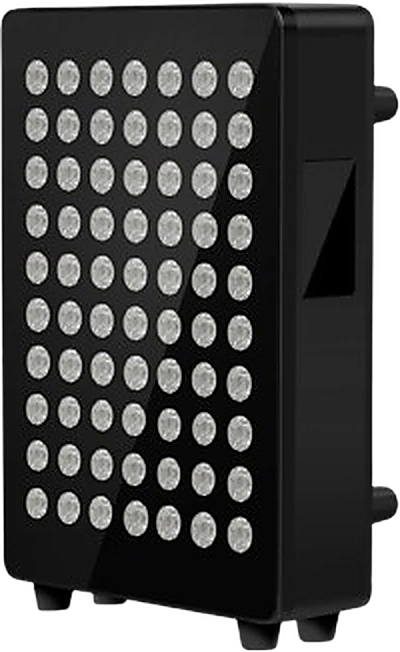
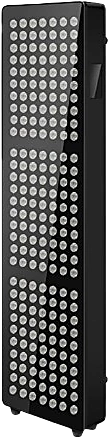
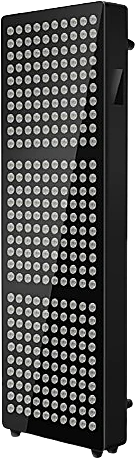
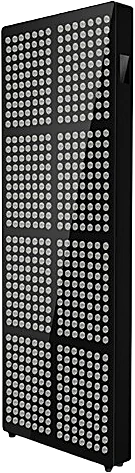

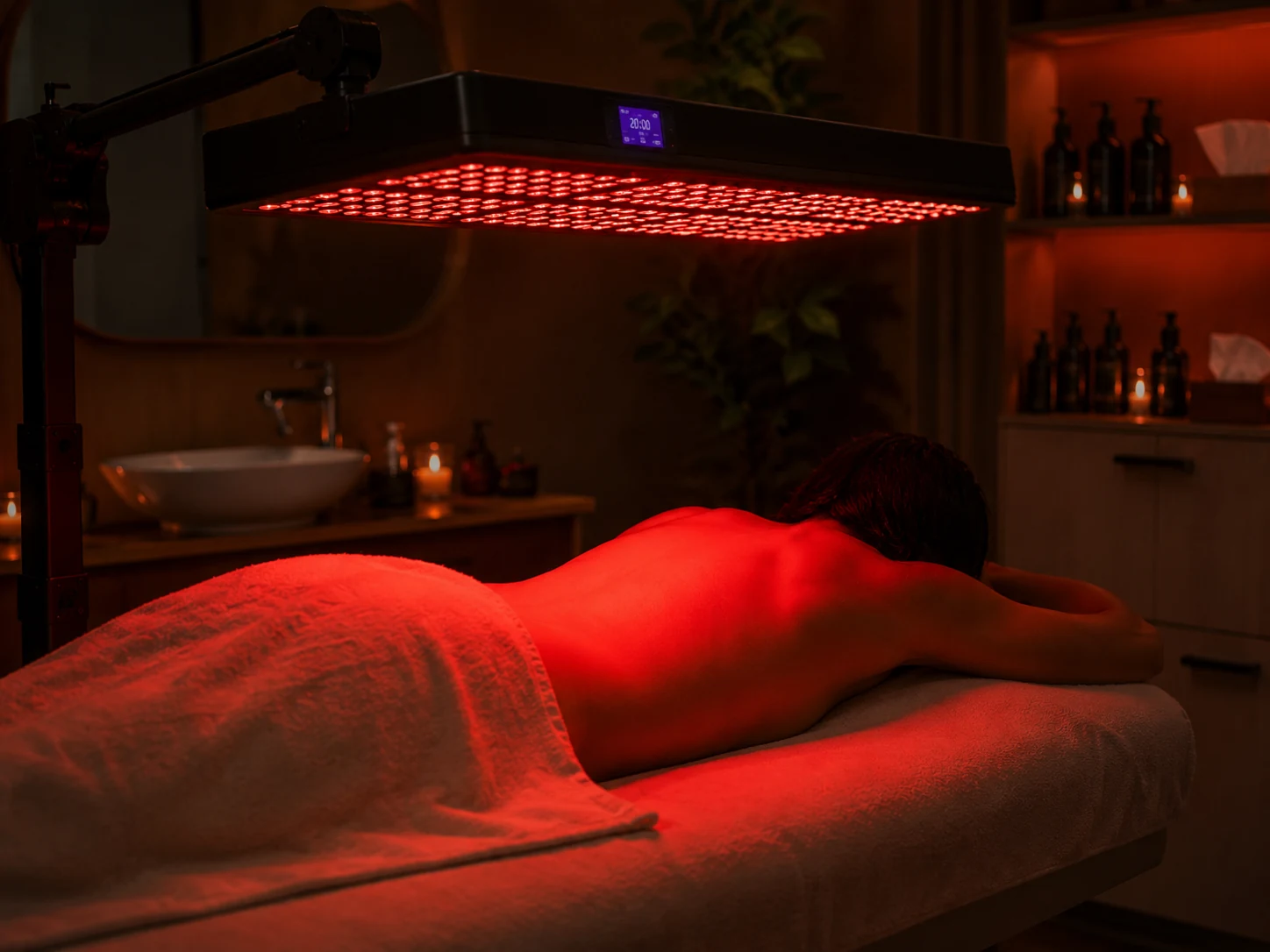
Light reaches the tissue
Red and near-infrared wavelengths reach different depths and are absorbed by light-sensitive cellular components. The five Zohar wavelengths are selected to create a balanced range of surface and deeper-tissue exposure.
Learn
Start with the fundamentals, then explore the detailed evidence and specifications when you want them.
How it works
Photobiomodulation is the use of specific red and near-infrared wavelengths to support cellular and biological processes. Research often focuses on how light is absorbed by cellular chromophores and influences energy-related signaling.
Red and near-infrared wavelengths reach different depths and are absorbed by light-sensitive cellular components. The five Zohar wavelengths are selected to create a balanced range of surface and deeper-tissue exposure.
Research explores changes in mitochondrial signaling, nitric oxide and ATP-related processes. These responses are associated with how cells manage energy, circulation and recovery.
Red light therapy is generally used as a repeated routine rather than a one-time experience. Comfortable, consistent sessions make it easier to integrate the practice into everyday wellness.
Research areas
These are broad research areas, not guarantees of individual results or substitutes for medical care.
Research includes skin texture, visible signs of aging and collagen-related processes.
Studies explore muscle function, fatigue, post-exercise response and physical performance.
Photobiomodulation has been reviewed in musculoskeletal comfort and mobility research.
Clinical literature includes tissue repair and wound-healing applications under professional care.
Emerging research explores neurological, cognitive and psychiatric outcomes.
Ongoing reviews examine inflammation, circulation, metabolism and other systemic outcomes.
The Zohar spectrum
Every Zohar model uses 630, 660, 810, 830 and 850 nm.
Go deeper
Explore the Dohir Labs compilation of scientific literature and source references.
Scientific Evidence